Things to do
Six honest picks. Not sixty.
From Wikipedia + OpenStreetMap. No affiliate links, no crowd bias.
Changu Narayan Temple
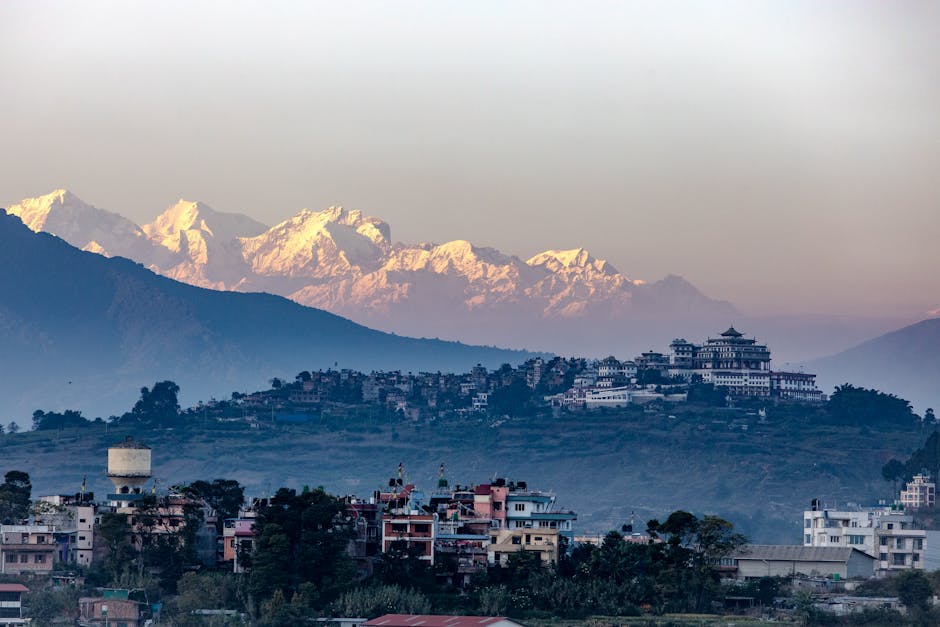
Changu Narayan is an ancient Hindu and Buddhist temple, located on a hilltop of Changu in Changunarayan Municipality of Bhaktapur District, Nepal. The temple is considered to be built in the 4th century AD and is one of the oldest Hindu temples in Nepal. The temple is dedicated to Lord Vishnu, one of three principal deities in Hinduism.
Wikipedia → Swayambhunath
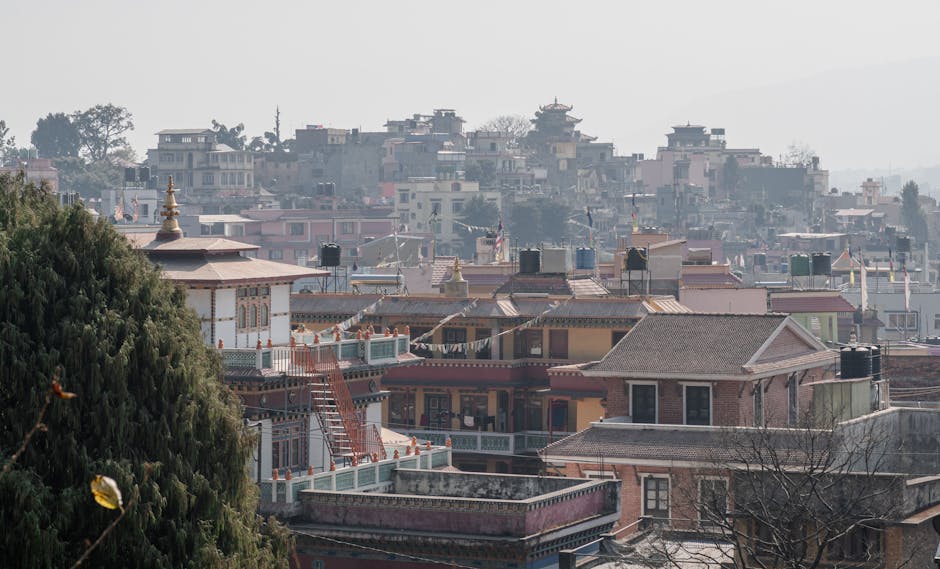
Swayambhunath is an ancient religious complex atop a hill in the Kathmandu Valley, west of Kathmandu city. The Tibetan and Sanskrit name for the site means 'self-arising' or 'self-sprung'. The hill on which the stupa stands has been an ancient pilgrimage place considered the home of the primordial Buddha known as the Adi-Buddha. For the Buddhists throughout the world, the stupa is venerated as one of the most ancient and important stupas in the world, having hosted numerous Buddhas of the past: Koṇāgamana Buddha, Kakusandha Buddha and Kassapa Buddha. For its outstanding universal value, Swayambhunath was designated a UNESCO's World Heritage Site in Nepal in 1979.
Wikipedia → Swayambhunath
Swayambhunath is an ancient religious complex atop a hill in the Kathmandu Valley, west of Kathmandu city. The Tibetan and Sanskrit name for the site means 'self-arising' or 'self-sprung'. The hill on which the stupa stands has been an ancient pilgrimage place considered the home of the primordial Buddha known as the Adi-Buddha. For the Buddhists throughout the world, the stupa is venerated as one of the most ancient and important stupas in the world, having hosted numerous Buddhas of the past: Koṇāgamana Buddha, Kakusandha Buddha and Kassapa Buddha. For its outstanding universal value, Swayambhunath was designated a UNESCO's World Heritage Site in Nepal in 1979.
Wikipedia → Swayambhunath
Swayambhunath is an ancient religious complex atop a hill in the Kathmandu Valley, west of Kathmandu city. The Tibetan and Sanskrit name for the site means 'self-arising' or 'self-sprung'. The hill on which the stupa stands has been an ancient pilgrimage place considered the home of the primordial Buddha known as the Adi-Buddha. For the Buddhists throughout the world, the stupa is venerated as one of the most ancient and important stupas in the world, having hosted numerous Buddhas of the past: Koṇāgamana Buddha, Kakusandha Buddha and Kassapa Buddha. For its outstanding universal value, Swayambhunath was designated a UNESCO's World Heritage Site in Nepal in 1979.
Wikipedia → ⛪
Religious & sacred sites Thapagaun
Sitapaila is a village and former Village Development Committee that is now part of Nagarjun Municipality in Province No. 3 of central Nepal. The name of the community comes from "Sita" who was the wife of Lord Ram and daughter of Nepalese King Janak and "paila" meaning footsteps in Nepali. At the time of the 1991 Nepal census it had a population of 5,156 and had 1,008 households in it.
Wikipedia → Tusha Hiti
The Tusha Hiti or Tusa Hiti, also known as Royal Bath, is a sunken bath that was used by the Malla royal family in Nepal. It is at the courtyard of Sundari Chowk, Patan Durbar Square, Lalitpur. King Siddhi Narasimha Malla is credited with building the bath in the 17th century. The walls feature idols of Hindu gods and goddesses. Among them are images of Ashtamatrikas, Ashta Bhairavas, eight Nāgas and Dashavatara. Most are made of stone, but some are made of gilt metal. At present there is no water coming from the golden spout.
Wikipedia →